Custom Kitting Solutions
Read Case Study
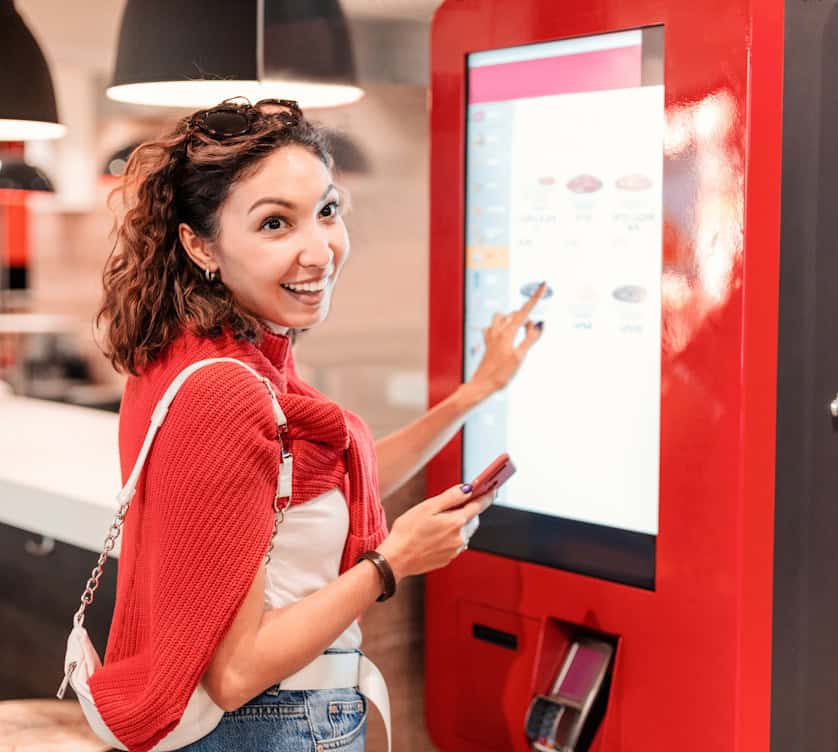
If you’ve popped into a certain well-known fast-casual chain in the past year or so, you might’ve noticed customers picking up hand-crafted quesadillas. They look scrumptious, but if you try to order one in-store, you’re out of luck. The menu item is digital-exclusive, along with family meal options and special diet bowls. These items take too long to be prepped on the spot, but are popular with guests. Rather than removing the items entirely from the menu, the company developed this pre-order system, which works best for their loyal customers.
In this case, you can see the real difference between how the restaurant uses print and how they use digital channels. Printed menus, menu boards, apps, websites, and online ordering platforms all serve different purposes, but they still need to be connected. Even in a digital-first world, the strongest franchise brands know how to bring menu printing and digital menu management together to create the best possible guest experience.
Restaurants no longer have just one menu to manage. Guests may see your menu on a printed handout, a drive-thru board, a table tent, a QR code, your website, or a third-party ordering platform, all on the same day. Each of those touchpoints shapes how they understand your brand and what they expect when it’s time to order.
That is why both menu printing and digital menu management matter so much. Strong restaurant menu printing still plays an important role in the in-store experience, while digital menus give brands more speed and flexibility online. The challenge is making sure every version stays aligned so guests aren’t bouncing between different prices, descriptions, or promotions depending on where they look.
Customers are quick to spot when menus do not line up. If an item is promoted online but missing in-store, or if the pricing and descriptions change depending on where a guest looks, you can bet someone will bring it up. Even small inconsistencies can create confusion and dull your brand’s polished reputation.
This is because guests don’t separate one menu from another the way internal restaurant teams do. Guests simply expect the experience to make sense from one touchpoint to the next. When it doesn’t, it can lead to frustration and a weaker impression of the brand as a whole.
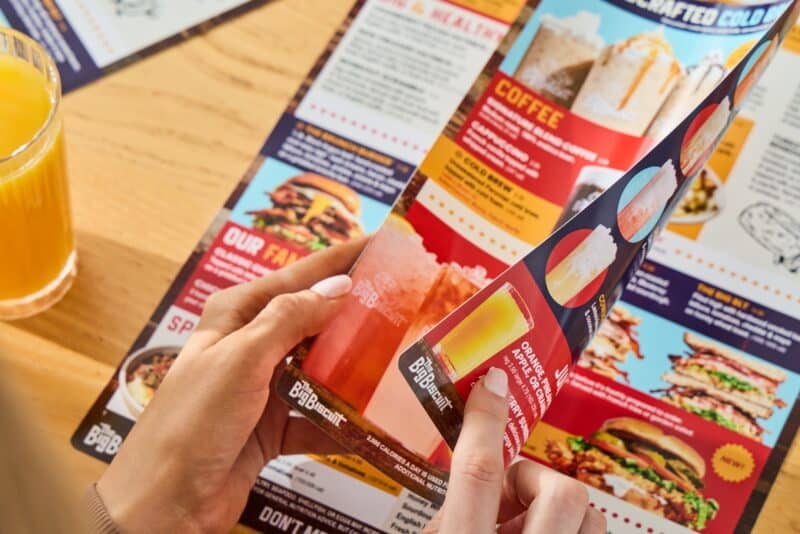
While digital channels continue to expand, print still plays a major role in shaping that guest experience. (You can bet people noticed when the in-store menus didn’t match the digital ones at that aforementioned fast-casual chain.) That kind of disconnect stands out because printed menus still shape so much of how guests experience a restaurant in person. Menu boards, counter displays, table tents, takeout inserts, and other printed materials help guide decisions in the moment and reinforce what customers expect from the brand.
Even as digital ordering becomes more common, restaurant menu printing remains one of the clearest ways restaurants communicate with guests face to face. If the printed experience is outdated, inconsistent, or disconnected from what customers saw online, the guest experience won’t be as seamless as you want.
Custom menu printing gives restaurants more control over how their menus look, feel, and function. That can mean using specific sizes, materials, layouts, finishes, or location-specific versions instead of relying on one standard format for every store. For restaurants with different promotions, pricing, or regional needs, that flexibility matters.
But custom menu printing works best when it’s connected to a larger restaurant menu management system. A menu may be built for a specific location or promotion, but it still needs to match the brand’s digital channels, current pricing, and approved item information. The strongest restaurant menu printing programs don’t treat print as a separate task. They connect it to the bigger system that keeps every menu accurate and aligned.
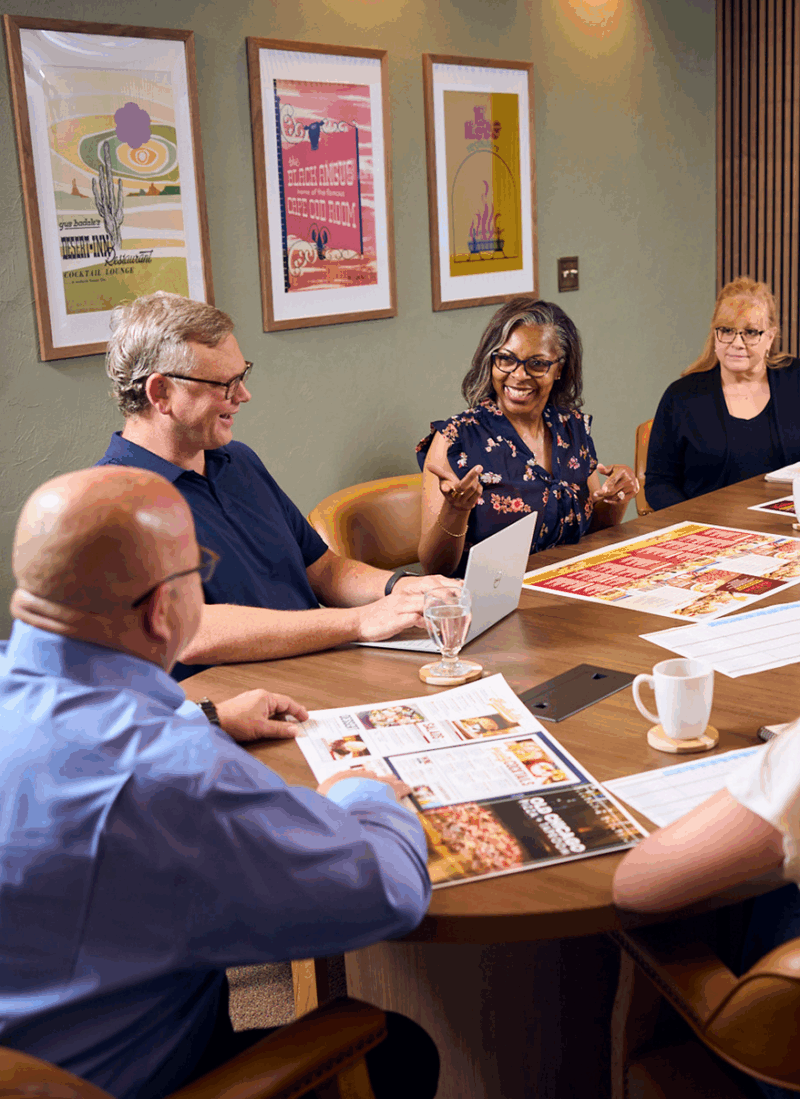
Restaurants have more guest touchpoints to manage than ever, and each one shapes how the brand is experienced. When printed menus, digital menus, and promotions all work together, the result is a smoother experience for guests and a more manageable process for the teams behind it.
Trabon helps restaurant brands bring menu printing and digital menu management together so updates stay accurate, menus stay aligned, and guests get a more consistent experience wherever they order.
If you’re ready to partner with the best company offering menu printing near you, schedule a consultation with Trabon today.