Custom Kitting Solutions
Read Case Study
Restaurants have a lot to manage today. Outside influences are raising ingredient prices, and customers have tightened their purse strings. At the same time, restaurants are still being asked to keep pricing competitive and margins healthy in an unforgiving market. The National Restaurant Association reported that menu prices were up 3.6% year over year in April 2026, while grocery prices were also rising, which makes value perception and pricing strategy even more important for operators trying to stay profitable.
Menu engineering has always been a vital part of a restaurant’s success, but in the current economy, it’s more crucial than ever. Operators need better data to understand what’s selling, what’s making money, and what’s costing money — or, in industry terms, they need to know the plowhorses from the stars, and the dogs from the puzzles. When restaurants pair smart menu engineering with stronger restaurant menu management, they have a better chance of improving margins without losing sight of the guest experience.
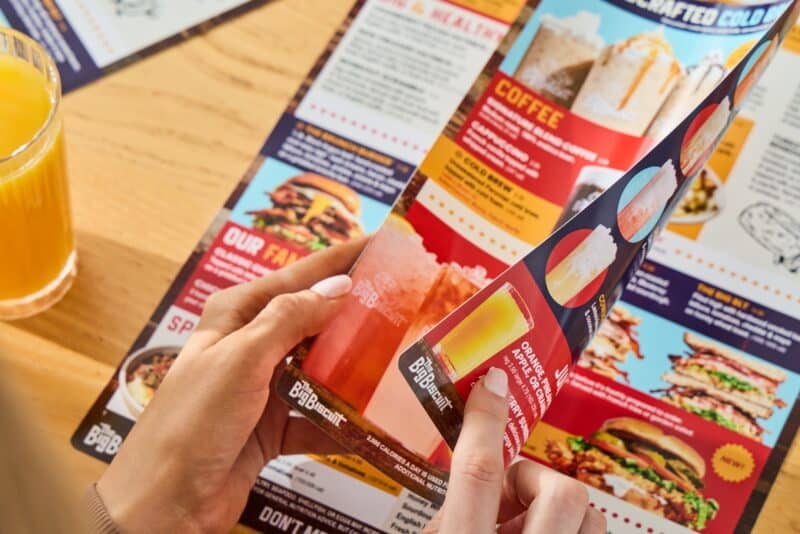
From an outsider perspective, menu engineering may sound more concerned about aesthetics than data, but restaurant operators know that it’s all about the numbers. Yes, design absolutely plays a role in how a menu appeals to customers. Color, font, spacing, placement, descriptions — all of that matters. But the goal behind all of those design decisions is to understand how each menu item performs and how the menu can be adjusted to support stronger margins.
That means tying what’s on the page to actionable insights. Using menu engineering, owners can figure out how to transform a dog (low profit/low popularity) into a plowhorse (low profit/high popularity) or even a star (high profit/high popularity) through smarter pricing, positioning, or menu adjustments. The menu’s structure works to influence what guests order. When those decisions are backed by good data, the menu works harder.
Good data gives restaurants a clearer picture of what the menu is actually doing. It shows which items sell often, which ones bring in stronger margins, and which ones may be underperforming even if they seem like they should be doing well. That makes it much easier to evaluate pricing, popularity, contribution, and overall performance with something more useful than gut instinct.
Without that kind of data, menu engineering turns into a lot of guesswork based on subjective qualifiers. You shouldn’t move a dish to the top of the menu just because you personally like it or think it looks good there. It should earn that placement based on how guests have responded to it in the past. A lobster dish may stand out, but if the rest of the menu is built around barbecue, it may not belong there at all. Mac and cheese may be a great seller, but if it’s buried in a section with salads, the menu isn’t helping it succeed. Better data leads to smarter adjustments over time, and smarter adjustments are what improve margins.
Restaurant menu management is the system that keeps pricing, descriptions, modifiers, and item details organized in one place. When that information is cleaner and easier to manage, the analysis behind menu engineering gets cleaner, too. It’s a lot easier to make smart decisions when the data you’re working from is accurate, current, and consistent.
That’s where menu management and menu engineering start working together. Let’s say you have a new cocktail you hope will become a star. A restaurant menu management system can help you test different names, descriptions, and placements to see what actually gets the best response. Instead of guessing what will work, you can use cleaner menu data to make adjustments based on performance and build a stronger menu over time.
This may seem a little self-explanatory, but it’s still worth reminding yourself of when you’re running a restaurant. If pricing, descriptions, modifiers, or featured items are inconsistent, the data behind your menu is less accurate. And if the data isn’t accurate, menu engineering cannot do its job the way it should.
Consistency is what makes menu engineering useful. When every version of the menu is aligned, restaurants get a clearer picture of what is actually working and where margins can be improved.
Improving margins isn’t just about raising prices and hoping customers go along with it. It’s about understanding which items are helping the business, which ones need work, and which strategies are actually worth keeping in place. Good menu engineering gives restaurants a way to act on that information with more confidence.
When smart menu engineering is supported by strong restaurant menu management software, it becomes much easier to focus on the items, pricing strategies, and placements that perform best.
If you need help walking through that process in more detail, you can always reach out to a company offering restaurant menu management near you.