Custom Kitting Solutions
Read Case Study
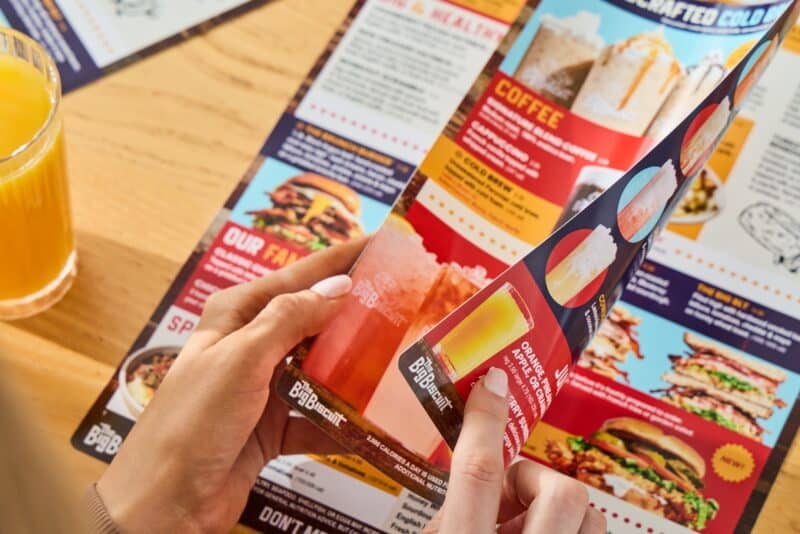
A franchise marketing team finalizes a new seasonal promotion and sends the updated menu materials out for rollout. On paper, the change is simple: swap in the new limited-time item, update pricing in a few markets, and make sure every location has the correct assets by Monday morning. But once the update reaches dozens of stores, the cracks start to show.
One region is still using an older price. A handful of locations received the wrong insert. Digital boards are updated, but printed menus are not. Store managers start emailing questions, staff are improvising at the store level, and corporate is left trying to figure out which version of the menu is actually live.
This is the kind of operational friction that becomes more common as franchise brands grow. The more locations, formats, and stakeholders involved, the harder it becomes to keep menu changes consistent without a clear system in place. What starts as a straightforward update can quickly turn into wasted materials, lackluster guest experiences, and unnecessary stress for restaurant teams.
That’s why centralized menu management software plays such an important role in franchise growth. A more connected approach to restaurant menu management helps brands control updates from a single source, improve consistency across locations, and support better menu engineering decisions over time. As expansion adds complexity, a consolidated menu management system gives franchise organizations a more reliable way to protect the customer experience and their brand standards.
Growth is exciting for any brand, but it exposes gaps in processes that once seemed smooth. A menu update that worked just fine across 10 locations can become much harder to roll out across 50, 100, or more. Suddenly, what used to be a simple adjustment involves multiple markets, different store formats, varying price points, and a longer list of people who all need the right information at the right time.
A new product launch may require updates to printed menus, digital boards, drive-thru displays, online ordering platforms, and internal store communications. Regional promotions can add another layer, especially when some locations are running a special offer, and others aren’t. You don’t want your American menu advertising “yoghourt” or your Mexican location listing dollar prices. That’s just the tip of the iceberg as to why centralized restaurant menu management becomes so important as brands expand.
As franchises grow, consistency gets harder. One location may be using the latest pricing, while another is still working from an outdated menu. A limited-time offer might be live on digital boards but missing from printed materials. The smallest differences in wording, pricing, or featured items can create confusion for staff and an imperfect experience for customers.
You get a typo like “guten-free” making it to your customers’ hands, and that’s embarrassing. Even worse, you could provide the wrong allergen information or pricing, which can have bigger consequences. These problems are usually not caused by one major mistake. They happen when updates are managed across too many files, teams, and locations without one clear system in place.
Manual updates may seem manageable at first, but they become more problematic as franchise systems grow. When teams are relying on out-of-sync spreadsheets and miles-long email chains, even small menu changes take more time than they should. Staff end up on a goose chase for the right version instead of focusing on the rollout itself.
Those extra manual steps also increase the likelihood of errors. A missed price change, outdated item description, or incorrect promotional date can easily slip through when updates are treated like a game of telephone. Making updates across locations from one centralized system will always be faster and more effective than having teams manually enter changes store by store.
Menu engineering works best when brands are working from accurate, consistent menu information. If locations are using different pricing, descriptions, or promotional details, it becomes much harder to tell what is actually influencing customer behavior. A high-performing item may look less effective simply because it was presented differently from one store to the next.
That inconsistency can also affect the guest experience. A customer might walk into one location expecting the combo they saw advertised online, only to find it listed at a different price or packaged another way in-store. Centralized restaurant menu management helps keep pricing, descriptions, and layouts aligned, giving brands a clearer view of what is working and where adjustments are needed. When the menu is managed more consistently, menu engineering becomes more effective.
Customers may not see the systems behind a menu, but they notice right away when something feels off. If a guest sees one price online, another on the drive-thru board, and a third at the register, that creates frustration before the order is even placed. If a limited-time item is featured on the menu but unavailable in-store, or if a combo is described one way in the app and another way in person, the experience starts to feel disjointed.
These moments may seem small, but they shape how customers view the brand. Most guests aren’t thinking about version control or rollout issues. They’re thinking that the restaurant looks disorganized, and that can make them less likely to trust the next promotion or come back at all. Centralized menu management helps protect against those disconnects by keeping pricing, descriptions, and promotions aligned across locations and channels, so the guest experience is consistent and satisfactory to everyone involved.
Growth is hard enough without simple menu updates adding more confusion. As brands expand, a reliable menu management system makes it easier to keep pricing, promotions, and customer-facing materials accurate across every location. If your current process is starting to show cracks, it may be time to research menu management software that can support franchise growth more effectively.